
Keynote speaking
A speaker who reads the room. And moves it.
Want a talk people are still thinking about on Monday? Substance, humor and practical tools for conferences, offsites and virtual sessions, from teams of 20 to audiences of 500+. Every talk is shaped for your people.
Your dateWritten quoteNo obligation
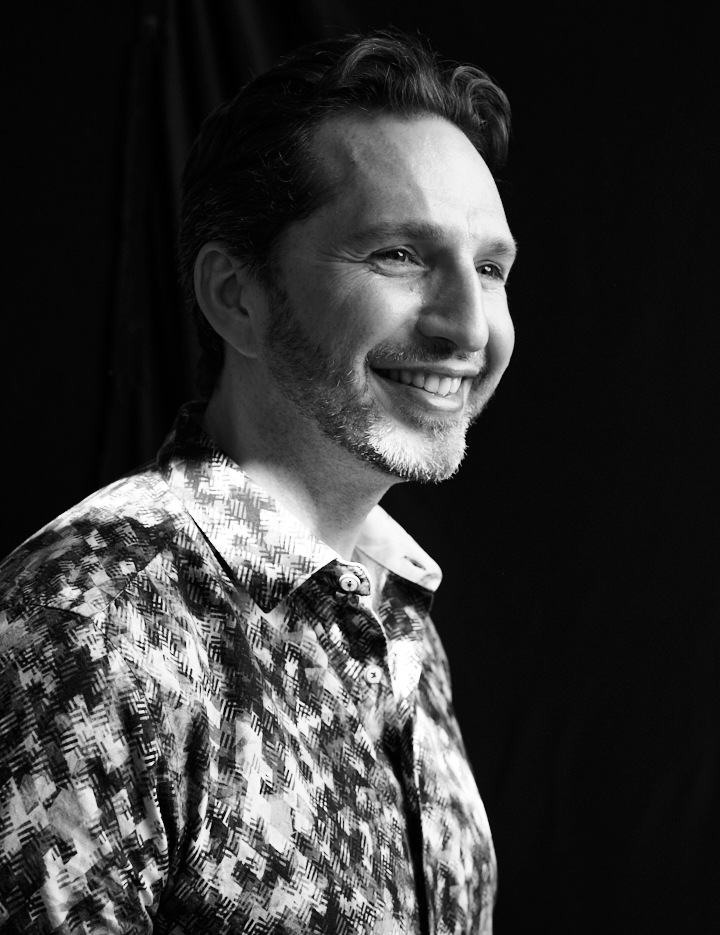







Read the transcript
What is the magic formula for interviewing? If it was just about being smart, you guys would crush. You’re at Anderson, a top business school. You’re intelligent, and you figure out what the common questions are, and you come up with a good answer. But second-round interviews are designed to be something you can’t rehearse, and they typically involve improvisational skills. So to be successful in second-round interviews, you need to be comfortable, present, and authentic. Okay: comfortable, present, and authentic. CPA. So let’s start with comfort. Raise your hand if you are completely comfortable in interviews. One guy. Nice. Okay. [Laughter] You can leave. It’s no longer relevant to you.
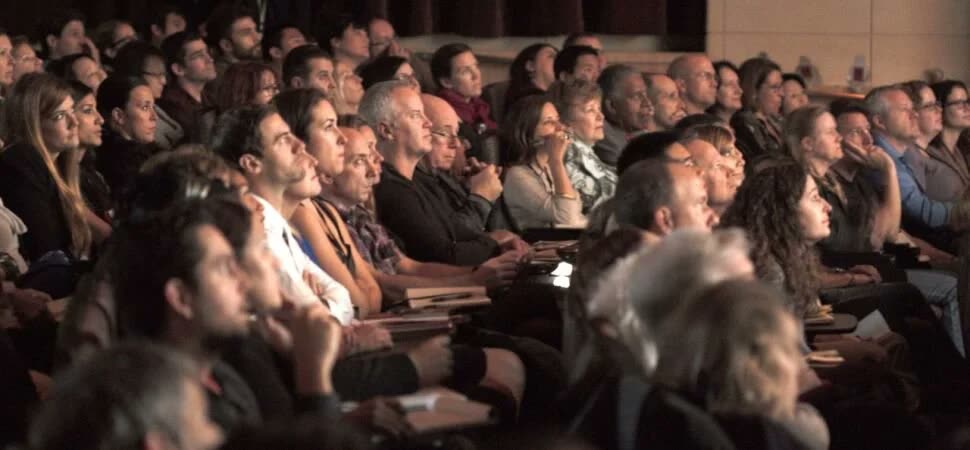
The view from the stage
Not a nice feeling that fades by the parking lot.
- Something they can use Monday
- A room that participated
- Shared language for afterward
Signature talks
Keynote talks.
Twenty to sixty minutes on stage, or up to a full day in the room. In person or virtual.
Comfortable Being Uncomfortable
Why the discomfort you’re avoiding is usually the doorway.
They leave with: How to spot the discomfort they’ve been avoiding, and one move toward it this week.
What High-Performing Teams Do Differently
The habits behind teams that click.
They leave with: The “Yes, And” habits (listen, build on each other, make each other look good) and a way to use them at the next meeting.
Reinvent Yourself
How to put down an old identity and pick up the one you want.
They leave with: A clear picture of the identity they’re ready to put down, and the first step toward the one they want.
For whoever’s organizing this
You’re the one taking the risk. I know.
“Will it land with our audience?”
I’ll learn your room first.
A call before the event about who’s attending and what they’re dealing with. The talk gets adapted, not recited.
“Will the speaker be a headache?”
I’m easy to work with.
I arrive early, I hit the time, and I don’t need anything exotic. If the AV fails, I keep going without it.
“Will anything stick after the day?”
Post-event is covered.
Slides, references and a short follow-up your team can circulate, so the talk has a second life.
“Won’t a virtual talk fall flat?”
Remote works properly.
Virtual sessions are built for a screen, not a talk pointed at a webcam. Different format, same participation.
What organizers say
They book me again. That’s the review that counts.
Noel taught 350 of our business school students how to be more persuasive and impactful when interviewing, speaking impromptu and establishing meaningful connection. We were so thrilled with the results that we brought him back again and again. The students became more effective in their communication, gained confidence, and had a great time in the process!
 Emily TaylorDirector, MBA Career Education & Communications, UCLA Anderson
An expert workshop leader. His warm, inviting nature lets attendees be fully present, and his ability to facilitate and improvise is masterful.
 Sarah HerasRegional Manager, Stanford Alumni Association
50 of our brokers were skeptical walking into a sales training. Within minutes you could feel the room lean in and the energy change. Educational, entertaining, and he commanded the room, a rare combo.
 Forrest WittenmeirFounding Partner, Newfront Insurance
Speaker bio and headshot, ready to copy into your program
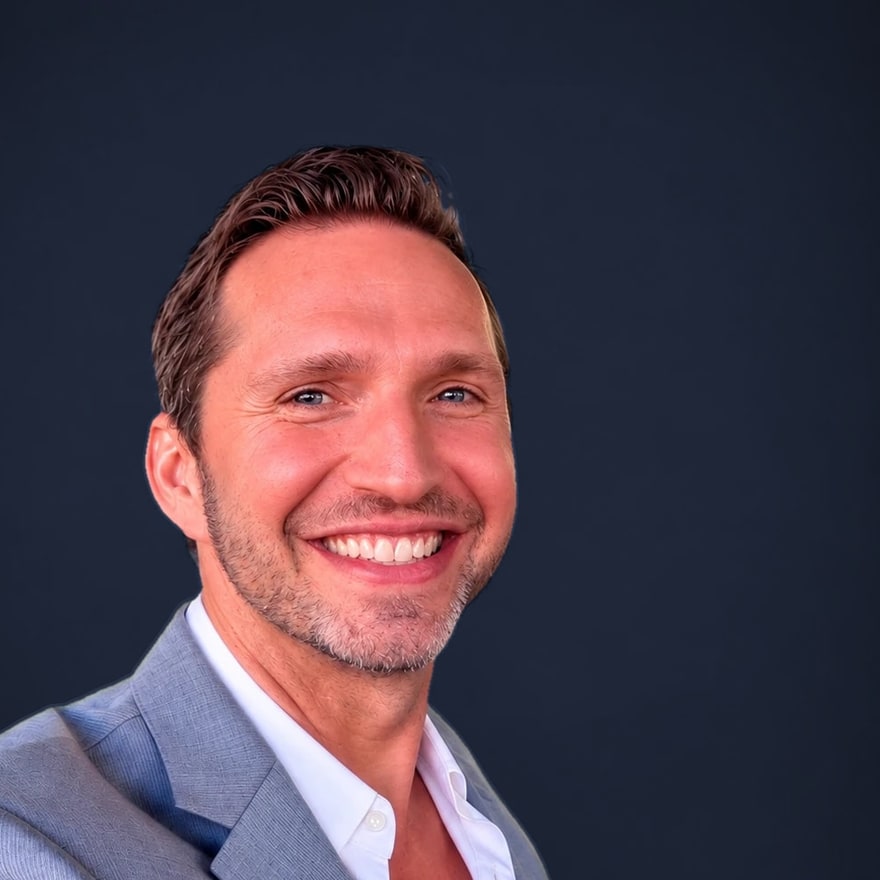
Noel Rosencranz is an executive coach and trainer who has spent fifteen years helping founders, executives, and teams perform without burning out. He has coached leaders at Google, Microsoft, and Intel, worked with hundreds of leaders through Stanford Graduate School of Business’s LEAD program, and run group trainings at Cedars-Sinai, UCLA Anderson, Providence, Newfront Insurance, and Coppola Wines. He holds two Stanford degrees, built and sold an education company over eight years, and created an improv-based training method that has held a 100% satisfaction rate across every session he has run.
- 15+ years coaching executives and founders
- Stanford GSB LEAD coach
- Trained teams at Cedars-Sinai, Stanford, and UCLA
- Based in Los Angeles; speaks nationally and virtually
Download a headshot for your program.
Start here
Bring me to your stage.
Tell me about your event and your audience, and let’s make something people remember.
Quoted per engagement. Length, group size, travel and customization all move the number.
 James KlasenChange Management Manager, Cedars-Sinai
The feedback we received was overwhelmingly positive and some of the participants mentioned it was the best leadership retreat they’d attended.
Before you reach out
What organizers usually want to know.
Booking
How far ahead do you need to be booked?
Two to three months is comfortable. I’ve done three weeks. If your date is soon, ask anyway. If I can’t do it I’ll say so within a day rather than leave you waiting.
What if our date moves?
It happens constantly and it’s fine. Tell me as early as you can and I’ll hold the new date if I’m free. If I’m not, I’ll tell you straight away so you can plan around it.
Do you travel?
Yes. I’m based in Los Angeles and travel nationally. Travel and accommodation are billed at cost on top of the fee, and I’ll estimate them up front so there’s no surprise on the invoice.
The talk
How much do you customize?
A lot, and it’s included. A call before the event about who’s in the room and what they’re dealing with shapes the examples, the emphasis and the language. It isn’t a stock talk with your logo on the first slide.
How long should the session be?
Conference talks work well at 45 to 60 minutes. If you want people doing something rather than listening, 90 minutes to half a day gives room for that. Shorter slots work too. Tell me what you have and I’ll tell you what fits.
What size audience works?
I’ve spoken to rooms of 20 and rooms of 500+. Smaller rooms allow more interaction; larger ones lean more toward a straight talk. Both work. The format changes, not the substance.
Does virtual actually work?
Yes, when it’s built for a screen rather than being a stage talk pointed at a webcam. Virtual sessions use different pacing, more frequent participation, and shorter segments. I’d rather do a good 45-minute virtual session than a 90-minute one nobody watches.
Practicalities
What do you need from us on the day?
A microphone and, ideally, a screen. That’s it. I arrive early, I hit the time, and if the AV fails I’ll keep going without it.
What happens after the event?
You get the slides, any references, and a short follow-up note your team can circulate internally, so the talk has a second life rather than ending in the room.
How are fees worked out?
Format, length, travel, and audience size all move the number, so every event is quoted individually. Tell me what you’re planning and you’ll have a figure in writing, with no obligation attached to it.